
Keeping your Entlebucher Healthy
Exercise & Rest
Entlebuchers are busy dogs. They sometimes seem to be continually in motion. But your puppy needs a lot of rest. Try to arrange your schedule to allow him a good nap mid morning, mid afternoon and after dinner. A good walk of 20 to 40 minutes, twice a day is perfect. They love to sniff and use a lot of exhausting brain cells identifying the information left by others on the trail ahead of them.
Be cautious about letting your puppy jump from higher than his shoulder. This can put unnecessary strain on shoulders, hips and knees and contribute to later orthopedic issues. To at least 4 months, carry them up and down stairs and don’t allow them to jump from the couch. Some Entles LOVE balls and frisbees. If yours does, please keep the throws short and straight, releasing the pup for the retieve only after the ball has landed. Avoid twisting moves in the air, which can lead to ACL injuries and a long, expensive rehabilitation.
Nutrition
Good, fresh food and plenty of clean water is a good start for any creature. Entlebuchers don’t need any special diet, but if you can manage to add some fresh foods, it can make a big improvement in general health. Even 10% of their bowl makes a difference. Our dogs love to hang out in the kitchen as I prepare salad and vegetables, knowing they will get the trimmings to consume. They love cabbage, brussel sprouts, cauliflower and brocolli! They can learn to catch thrown tidbits which makes it an active game at the same time.
Look at available raw foods in your pet store but other good options are local meat processors that butcher wild game for hunters. They often carry a selection of frozen bricks in a variety of proteins. If you decide to feed raw or home cooked food exclusively, do some reading to make sure they are getting the calcium and other minerals and vitamins for good health.
Kibble is a common and very convenient choice. Choose a quality brand from your pet store, selecting something made more locally and with fewer preservatives. The kibble size doesn’t matter, but smaller kibble make excellent training treats for everyday.
Whatever you choose to feed, vary the manufacturer and protein regularly. You don’t want to be tied to a specific product when you hear about a recall. Variety is the spice of life!
Treats are an important part of training your pup. Commercial options are readily available. Liver is always a hit! Home made bits of carrot, celery, cheese or hot dog are also very popular. The treats can be healthy and still attractive!
Body Condition Score, Lean for Longevity!

Develop a schedule of regular visits to your veterinary office just to check your dog’s weight. Keeping your pet lean and trim is the most effective way to maintain their health. You and your pet might have an extra 2 years together if you can keep their body condition score at a 5 out of 10 for their lifetime. Check and record their weight monthly to stay on track.
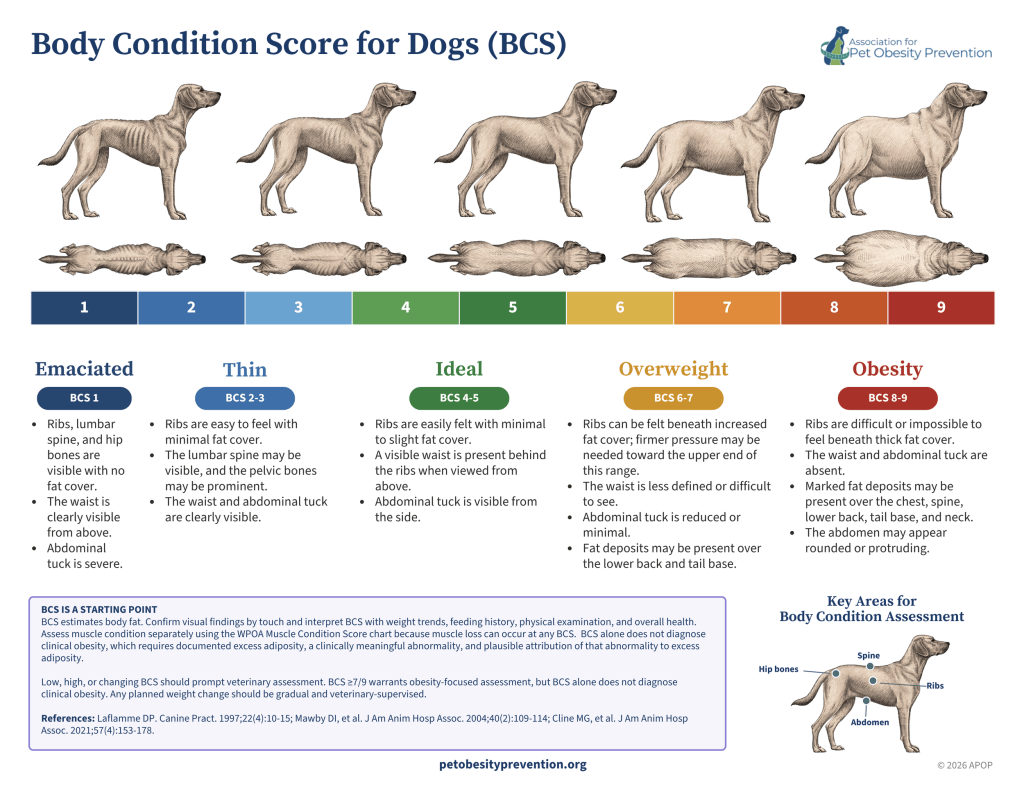
You don’t need to feel bad or worry that they are always hungry. You should accept right now that your Entlebucher will never walk away from available food unless they are very, very sick. It’s called EVERLASTING ENTLEBUCHER EATING DISORDER. Entlebuchers love to eat and if allowed will definitely eat to excess. You must manage their diet for their health! Count the treats as part of their daily ration or switch to vegetables. Keep them lean for longevity!
Veterinary Care
Your new pup will come with a schedule of veterinary visits and vaccinations. We choose the schedule to best cover your puppy from infancy to adulthood with as little risk of the big deadly killers as possible. Parvo virus and distemper are killers – mainly through dehydration. These diseases are commonly transmitted through common play areas with unvaccinated or sick dogs. Keep your puppy at home and don’t let their feet touch the ground until they have vaccination protection verified through a titre test.
Healthy Dogs from young to old
Once your dog has completed their initial series of vaccines, they will need an annual health check and vaccine updates. You can choose to titre test before revaccinating. That way, you reduce the impact on their immune system but know they are protected.
Rabies vaccination is a legal requirement in many places, often every 3 years. This vaccine will offer more protection than the threat of the disease. Almost any travel will require a rabies certificate.
Beyond the basics, always take your dog to the vet when you notice ANYTHING going on with their EYES. Eye problems can develop in an instant and can change all of your lives in minutes. Redness, swelling, itching, discharge, buldging or any other unusual looking problem should be seen on the same day.
You may occasionally notice a sore leg or irregular cough. Make note and call the vet if it doesn’t resolve on its own within the week. Particularly around 4 months, we often see several days of minor limping in one leg – I don’t understand the reason but none have gone on to have any problems long term.
As your dog ages, they may develop some health challenges. Trust your vet and follow their advice. A daily eye drop could save their vision. Limiting their leaps could keep them walking happily. Make compromises that are best for you and your pet.
Hazards at Home
Before you bring your puppy home, take a look at your home from their level. Get down on your knees and snoop around. Are there cleaners or anti-freeze within reach? Do they have any poison markings on them? What about rodent control products, pesticides or herbicides? Laundry products, shoe cleaners, bug spray? All of these need to be locked up where you dog will not be able to explore.
Foods that you use regularly may pose the biggest risk. Do a little reading on household poisons, common plants and foods that are deadly to dogs.
- Xylitol is deadly. Sometimes it is labelled Birch Sugar. It is in sugar-free gums and other products. If you eat ‘light’ or ‘low sugar’ choices, keep a careful eye on the label before sharing!
- Grapes or rasins can attack the kidney are cause death in hours. Be careful, especailly at Hallowe’en or with toddlers. A healthy snack for your grandchild could kill your puppy.
- Chocolate is toxic to dogs. Dark chocolate is the worst. If you dog get’s into a forgotten stash, call the vet and follow their advice. Often, the amount consumed will not be sufficient to cause a serious problem. If they did eat a large amount, they may need fluids, stomach pumping and treatment at the vet immediately.
Porcupines and skunks are special problems. If your dog gets poked by a porcupine, take him to the vet. DO NOT try to pull the quills out at home. They are barbed and removal is painful. Let the vet use some anesthetic and get the job done the first time.
For skunk encounters, prepare a survival kit ahead of time. Hydrogen peroxide, baking soda, grease cutting dish soap (Dawn) and warm water are the best answer. It may take several washes but you will get them clean enough to tolerate in the house. The smell will gradually wear off from there.

